 Better 311Filed
← All briefs
Better 311Filed
← All briefs
Better 311Filed
← All briefs
Better 311Filed
← All briefs
The Board of Appeals voted 4-0 to save the sycamore at Rhode Island and 19th Street, then voted 4-0 against a rule change that would end appeals for trees the city calls hazardous. The ordinance is at the Board of Supervisors.
 Vanessa Ramirez
·
Sep 2, 2026 · 6:15 AM PT
·
4 min read
Vanessa Ramirez
·
Sep 2, 2026 · 6:15 AM PT
·
4 min read
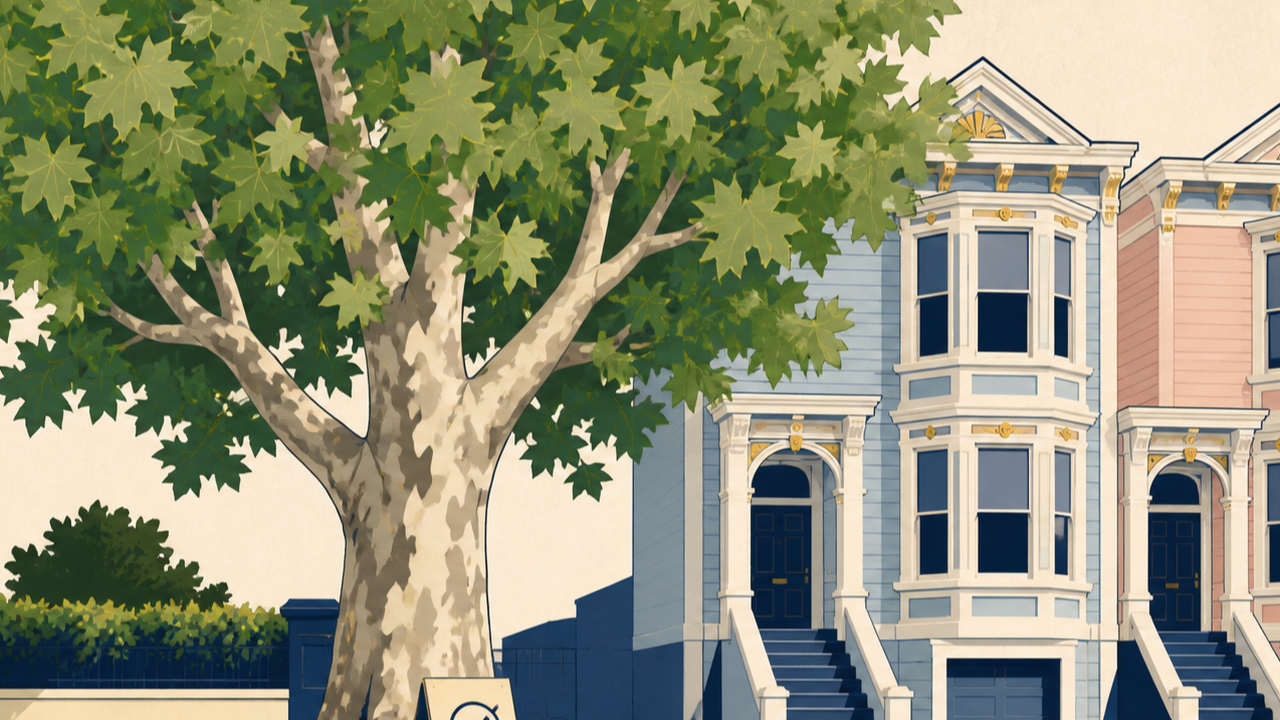
The sycamore at 699 Rhode Island Street is roughly 25 years old and, as of last week, still standing. The city's Board of Appeals voted 4-0 to block the Department of Public Works from removing it to build an ADA-compliant curb ramp at Rhode Island and 19th Street in Potrero Hill. Then the board voted 4-0 on a second question: it does not want its power to hear these cases taken away.
That power is exactly what is on the table. Mission Local reported that an ordinance filed as File 251211, sponsored by Mayor Daniel Lurie and Supervisor Alan Wong as part of the PermitSF push, would end Board of Appeals review for street trees classified as hazardous. Public Works would get sole jurisdiction over those removals. For the appeals that remain, the filing window would shrink from 15 days to 10, and the board would have 30 days to decide instead of 60.
The timing is the story. Records Klipp obtained through the appeals process show 792 days passed between the city first identifying the Rhode Island sycamore for removal and Public Works approving the plan. Klipp, a certified accessibility specialist and former vice chair of the Urban Forestry Council, argues the appeal is the only reason the tree still has a hearing at all. He also says the proposed ramp site would put wheelchair users at the crest of a steep downgrade, which Public Works disputes. The family that planted the tree in 2000 says it first learned of the removal plan in March, after calls and emails to the city went unanswered.
In a letter to Board of Supervisors President Rafael Mandelman dated August 27, the appeals board argued that the term "hazard tree" reaches beyond imminent danger, and that trees posing an immediate threat already come down under a separate emergency provision with no appeal. The board also pointed out how rarely it hears these cases: just two appeals of city-initiated tree removals since the start of 2024. Its members say they can work faster, but that removing the review entirely is unwarranted. KQED reports the same hearing history from the city side: four appeals filed since 2024, two withdrawn.
The ordinance is part of a bigger trade. Under the same file, developers of smaller projects could pay $2,590 per tree instead of planting, with the money going to the city's Adopt-A-Tree fund. That fund is where the canopy math gets uncomfortable: San Francisco has the smallest urban tree canopy of any large U.S. city, and advocates say the count has been losing ground, not gaining, with hundreds of trees gone since the last census in 2017.
The 311 record adds one more layer. San Franciscans filed 324 tree maintenance requests in the seven days through September 1, about 46 a day, in line with the prior three weeks. Those requests are for pruning, damage and care, and they run through a different track than removal appeals. The maintenance line is steady. The removal line is where the rules are changing.
Where it stands now: Mission Local and KQED both reported the ordinance was on the Board of Supervisors' Tuesday agenda. The official outcome had not posted to the city's legislative record when this brief was filed. A change to the tree rules needs more than one vote to take effect, so the final reading is still ahead.
What to do: if a city crew marks a tree on your block, ask which file the removal is running under, and check the Board of Supervisors agenda for the ordinance's next reading. Public comment runs through the board's legislative site at sf.gov. The advocates who saved the Rhode Island tree did it with records requests and a written brief. The process they used is the one this ordinance would compress.
Five numbers, one chart, one story like this, every Monday at 7 AM. Free forever.