Street defect reports rose 32 percent in a week. Sidewalk and pavement damage is two of every three, and the same addresses keep coming back through the file.
 Vanessa Ramirez
·
Sep 1, 2026 · 6:05 AM PT
·
4 min read
Vanessa Ramirez
·
Sep 1, 2026 · 6:05 AM PT
·
4 min read
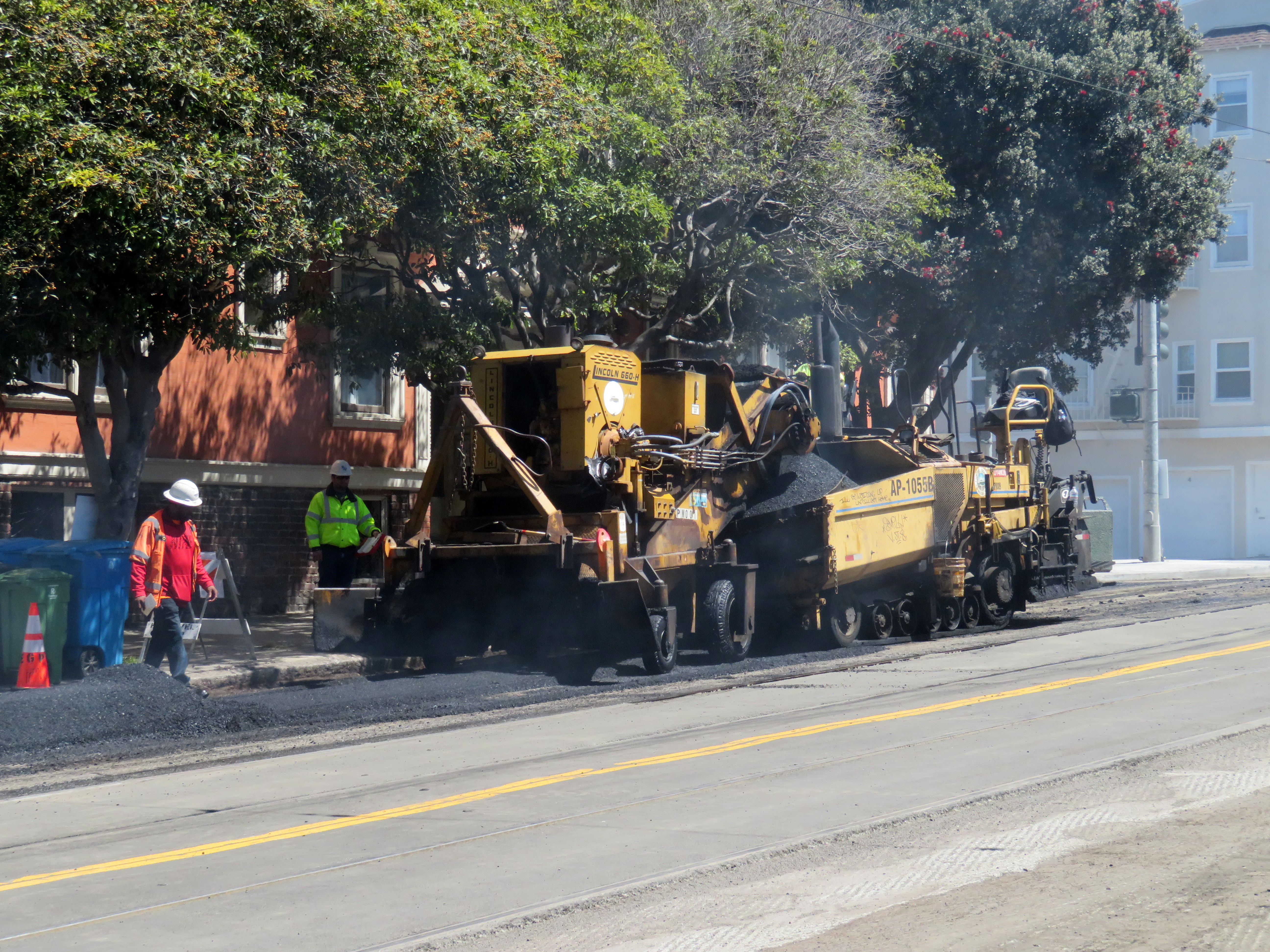
On the last Friday of August, six reports landed on the 3300 block of 24th Street in seven minutes. Sidewalk damage at 3307. Pavement cracks at 3306. A curb ramp at 3301. The file folded one of the six into another as a duplicate. The other five describe one block entering the system the way the Mission usually does: somebody walked it with a phone out and wrote down what was broken.
Citywide, street defect reports are up 32 percent in a week. The San Francisco 311 file shows 234 in the seven days through September 1, against 530 in the prior three weeks. Two of every three reports are sidewalk or pavement damage. The rest are missing sewer vent covers and curb damage, the small catalog of ways a street comes apart.
The load is not even. Districts 3, 9 and 6 carried more than half of it: downtown, the Mission, and SoMa. Three blocks from the 3300 block, the pavement defect at 24th and Mission has sat open since August 5. The same week last year produced 288 reports, so this is not a record week. It is a different kind of jump, though. Last year's same week ran about 10 percent above its own baseline. This one is running a third above. The calendar alone does not explain it, and the file cannot say what does.
The part the weekly number hides is what happens after the report, and 1434 Quesada Avenue is the clearest example in this month's file. Seven street defect reports landed at that one address in August. Five closed. Three closed as duplicates of an internal city referral, RFA 21626691. One closed because an inspector found no condition at the location. One closed with the note "No Action Described." On August 31, two more reports landed at the same address. Both are still open.
Reported, closed, reported again. That is the pattern to watch, because a closed entry in this file means the case is done, not the street is fixed. Sidewalk damage matters twice: the city routes the report, but under the Public Works Code the property owner pays for the repair. The SF Standard reported in 2024 that owners were being billed millions for sidewalks they do not own. The 3300 block of 24th is the same system from the other side. Six reports, one afternoon, and the bill lands somewhere else.
Keep the case number when you file. If yours closes as a duplicate, the parent number is in the note, and that is the one to chase. Take the photo before you file and again after. The street keeps its own record either way. La calle no olvida.
Five numbers, one chart, one story like this, every Monday at 7 AM. Free forever.